

The Wellness Reset for Moms Who Are Running on Empty
by Dr. Navi Jagpal | |
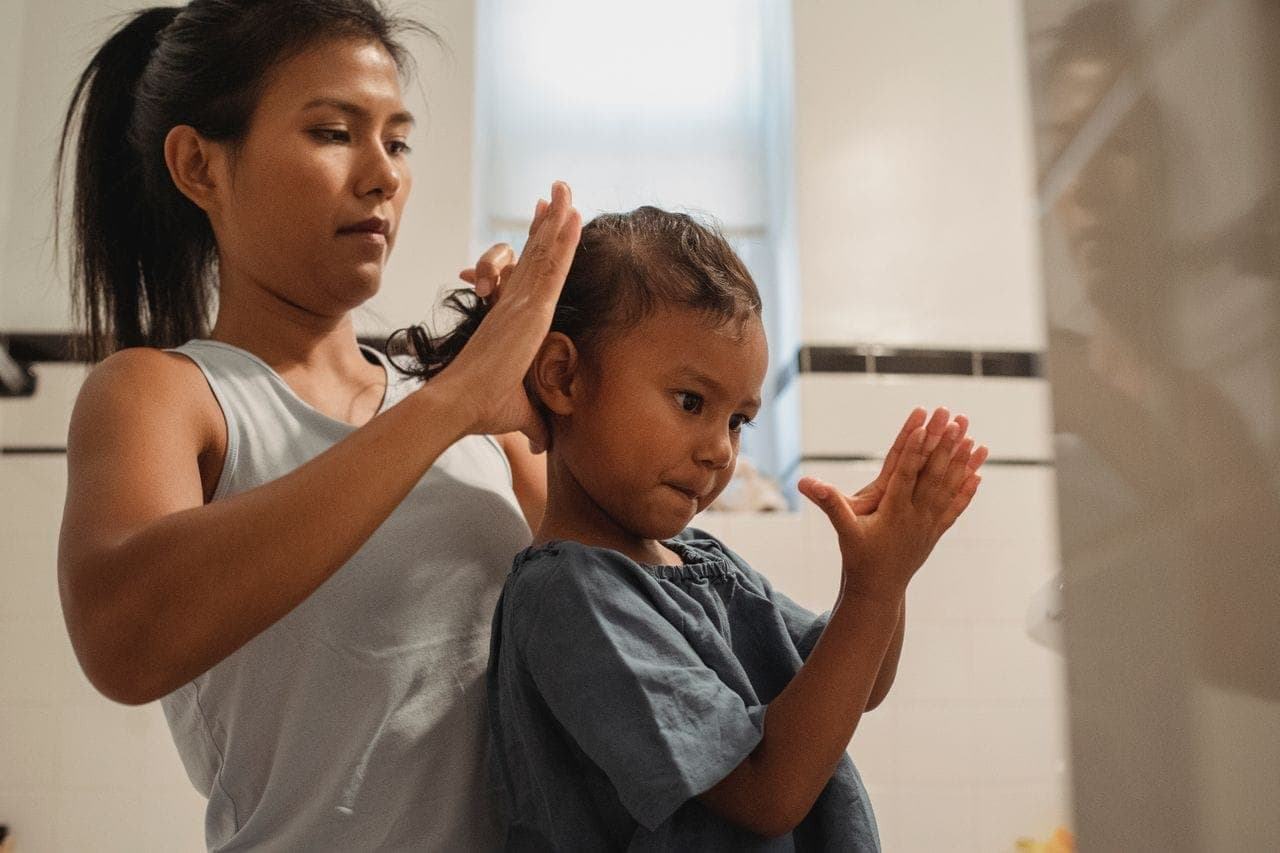
The fall season changes the rhythm of family life almost overnight. School mornings are back, after-school activities are starting, and the calendar that looked fairly manageable in the summer suddenly has very few empty spaces. It can also be a good time for a wellness reset, especially for moms who have spent the summer taking care of everyone else. For moms with a baby or toddler at home, those new commitments are added to already full days. Feedings, interrupted sleep, appointments, laundry, and caring for little ones do not disappear just because the school year has started.
When Everyone Else’s Routine Comes Before Yours
Not just tired after a busy week. The kind of tired that starts showing up in the body.
Shoulders stay tense even when you finally have time to sit down. Headaches become more frequent. The lower back starts complaining after carrying a baby or toddler. Sleep does not always feel restorative, even when there is enough of it. Patience may be shorter than usual, and concentrating on one thing can feel surprisingly difficult.
SALAS Collective Care in South Surrey often sees this pattern, particularly during busy transitions in family life. That is one reason Family Wellness is such an important part of the SALAS team’s approach to care.
Moms spend a lot of time caring for other people. Autumn can be a good time for a wellness reset and to put some attention back on the person doing so much of that caring.
Running on Empty Does Not Always Look Like Exhaustion
People often have an image of someone who is overwhelmed. They picture a person who cannot keep up. Somehow, things get done. Everyone gets where they need to go. Emails are answered. Groceries appear in the fridge. Appointments are remembered. The toddler has the right shoes. The older child somehow has poster board for a project that was mentioned the night before.
From the outside, everything may look perfectly under control. The body can be telling a different story.
Stress and physical demands can contribute to muscle tension, headaches, sleep changes, fatigue, irritability, and difficulty concentrating. Add pregnancy, postpartum recovery, breastfeeding, carrying children, returning to work, or interrupted sleep, and there may be several factors affecting how someone feels.
Signs It May Be Time to Pay Attention
There is no single sign that means a mom needs treatment. What matters more is noticing changes or concerns that keep returning.
These might include:
- Neck and shoulder tension that never seems to settle completely
- Recurring headaches
- Back, hip, or pelvic discomfort
- Feeling weaker or less confident with movement after pregnancy
- Difficulty returning to exercise comfortably
- Trouble relaxing even when there is an opportunity to rest
- Feeling persistently overwhelmed, anxious, or emotionally drained
That is why the team at SALAS does not think the answer is simply telling moms to take better care of themselves. Most already know that. The more useful question is: what kind of support would actually make a difference for moms right now?
The Change of Seasons Changes the Physical Demands of the Day
The return to a fall routine and the change in seasons can also mean spending much more of the day sitting. School drop-offs, commuting, desk work, and driving to activities can quickly replace some of the movement that happened more naturally during the summer. Even standing on the sidelines at practices or carrying everything needed for the day can feel different when the schedule becomes busier, and there is less time to move between commitments.
For a mom with a baby or toddler, additional physical demands barely register as exercise but certainly count as physical work.
Lifting a child in and out of a car seat. Carrying a toddler who has decided walking is no longer an option. Feeding in awkward positions. Reaching into a crib. Hauling groceries while holding a baby. Sitting on the floor and getting back up repeatedly. Do those movements enough times and the body notices.
When Neck and Shoulder Tension Becomes Normal
Neck and shoulder tension is easy to dismiss because it is so common, especially when there is an obvious reason for it. It all seems to pile up with the rushing around trying to get into the busy fall schedules.
If the tension keeps returning, it may be worth looking more closely at what is contributing to it. An RMT can assess the muscles and soft tissues involved and tailor treatment based on their findings. If stiffness or restricted movement is also part of the problem, chiropractic care may be another option.
For some moms, the tension settles when the demands of the week ease up. For others, it keeps returning in the same area or becomes more noticeable during certain activities. That pattern can help you decide whether to have it assessed, especially if it has been going on for a while.
When Strength and Movement Feel Different
Sometimes the concern is not pain at all. A mom may notice that getting off the floor feels harder. Carrying a growing toddler becomes tiring. Returning to a favourite workout does not feel the way it did before pregnancy. Those changes are worth noticing, too.
If everyday activities feel harder than they used to, it can help to look at what has changed physically. Physiotherapy can identify areas that may need attention, while kinesiology can help rebuild strength through exercise that progresses with you.
Postpartum Recovery Does Not Follow a Six-Week Timeline
Another piece of this conversation deserves much more attention. A mother can be postpartum and incredibly busy caring for a baby at the same time. That sounds obvious, but healthcare conversations do not always reflect it.
The early weeks after birth tend to receive the most attention. Then the focus naturally moves toward the baby. Meanwhile, a mother’s body continues to adapt and recover.
Changes in abdominal and pelvic function, strength, posture, mobility, sleep, feeding positions, and daily activities can continue to affect how the body feels for months.
For some moms, the return to fall routines may also mark a return to exercise or a desire to feel stronger again. There is no prize for rushing that process. We are here to support your wellness reset journey.
Returning to Exercise After Having a Baby
Returning to exercise doesn’t have to mean picking up exactly where you left off before pregnancy. A better starting point is understanding where the body is now.
A physiotherapist can assess how pregnancy and birth may have affected movement, mobility, and strength, especially when certain areas don’t feel or function the way they did before. Kinesiology can then support a gradual return to exercise and strength training, with the program adjusted to current ability rather than assuming someone should be ready to jump back into their previous routine.
Clinical Pilates at SALAS
Clinical Pilates may also be incorporated into one-to-one physiotherapy or kinesiology appointments at SALAS when appropriate.
The Pilates Reformer allows resistance and support to be adjusted to the individual. This can provide another option for progressively rebuilding strength, stability, and movement control. This is not about getting a pre-baby body back. Our team would much rather help someone build a body that feels capable of supporting the life they have now.
Sometimes the Exhaustion Is Not Only Physical
A massage can feel wonderful when the shoulders are tight. It cannot shorten the school calendar, resolve a difficult relationship, create another hour in the day, or make the mental load of managing a family disappear. That distinction matters.
Physical and emotional well-being influence one another, but not every physical symptom has an emotional cause. Similarly, you can’t always solve emotional stress by addressing the body. A wellness reset can also mean recognizing when the support you need is not only physical. Sometimes you need a different kind of support.
When the Mental Load Feels Heavy
Counselling can provide space to talk about stress, anxiety, relationships, changing identities, parenthood, returning to work, family dynamics, or simply the feeling that there is too much to manage.
A crisis doesn’t need to happen before that conversation is worthwhile.
For some moms, the first sign that something needs attention may simply be feeling less like themselves. Perhaps patience is shorter. Small decisions feel disproportionately difficult. Worry is harder to switch off. Everything is getting done, but it takes more effort than it used to.
Counselling can help someone explore what is contributing to those feelings and develop practical strategies that make sense within real family life.
Sleep Matters but Telling a Mom to Sleep More Is Not Helpful
Sleep matters, but for a mom whose baby is waking several times a night, getting more of it may not be something she can control right now. Telling her she needs eight uninterrupted hours is unlikely to help.
It can be more useful to look at the parts of sleep that may be possible to improve. Pain or discomfort might make it hard to find a comfortable position, or someone may be exhausted but still have trouble settling once the baby is asleep. Sometimes, trying to maintain the same exercise routine as before can add to an already demanding week.
What makes sense will depend on what is getting in the way of rest. The answer may involve physical treatment, changes to exercise, stress support, or simply adjusting expectations for this stage of life.
For example:
- RMT may help address muscle tension and physical discomfort
- Physiotherapy may be appropriate when pain, mobility, strength, or postpartum concerns affect daily life
- Chiropractic care may address appropriate musculoskeletal concerns
- Acupuncture may form part of an individualized treatment plan
- Kinesiology can help make movement and strengthening more manageable
- Counselling can support stress, anxiety, life transitions, and emotional well-being
No single treatment is the answer for every tired mom. That’s why having different practitioners work together can be valuable.
The Fall Season Wellness Reset for Moms Does Not Mean Starting Over
The phrase “wellness reset for moms” can sound like another project. New routine. Better diet. More exercise. Earlier bedtime. Meditation every morning. Somehow fit it all into a life that already feels full. That is not the reset SALAS has in mind for moms. A useful reset might start with noticing what has changed.
What Has Your Body Been Asking For?
Maybe the back has been sore since pregnancy and it never quite resolved.
Perhaps exercise fell off over the summer, and getting started again feels intimidating. Maybe headaches are becoming more frequent. The shoulders never seem to relax. A sense of being overwhelmed has lasted longer than expected. Or everything feels harder than it used to. Those observations are useful information.
The next step does not have to be dramatic. It may be an assessment with a physiotherapist. A conversation with a counsellor. An RMT appointment for recurring tension. Chiropractic care for a musculoskeletal concern. Acupuncture. A one-to-one kinesiology session in the SALAS gym to figure out how to start moving again safely and confidently.
Sometimes one service is appropriate. Sometimes care changes as needs change. That is the advantage of the collective approach at SALAS Collective Care.
Family Wellness Includes Mom
Family Wellness can easily become another phrase that centres everyone except the mother. The team at SALAS sees it differently. Supporting a family means recognizing that the health and well-being of the people caring for that family matter too.
SALAS Collective Care brings physiotherapists, chiropractors, registered massage therapists, kinesiologists, acupuncturists, and counsellors together in one South Surrey clinic. Our practitioners work within their individual areas of expertise while collaborating when a patient’s needs cross disciplines.
For one mom, that might mean starting with RMT for persistent neck and shoulder tension, then working with a kinesiologist to rebuild strength. Someone else may need physiotherapy following pregnancy and eventually incorporate Clinical Pilates. Another person may realize that the physical exhaustion they have been trying to push through is happening alongside significant stress and decide counselling deserves a place in their care. There is no standard fall season reset because there is no standard experience of motherhood.
SALAS Collective Care Helps Moms Make Wellness a Little More Sustainable
The transition into fall does not need any additional expectations attached to it. For many moms, the better goal is making everyday life feel a little more sustainable.
That could mean moving with less discomfort. Feeling stronger when lifting a growing child. Having somewhere to talk honestly about how overwhelming things have become. Getting help with a concern you’ve pushed aside since pregnancy. Or finally making an appointment that has been sitting on the mental to-do list for months.
Small changes count. Moms are very good at noticing what everyone else in the family needs. This time of year, it may be worth asking yourself the same question. What would make the next few months feel better?
Book Appointments with SALAS Collective Care in South Surrey
SALAS Collective Care supports moms and families throughout South Surrey and White Rock with chiropractic care, physiotherapy, registered massage therapy, kinesiology, Clinical Pilates, acupuncture, and counselling.
Book an appointment online or call SALAS Collective Care to find the right place to begin. We look forward to welcoming you to our clinic.d the right place to begin.