
Performance Optimization: Is Your Body Ready for a Fall Routines?
by Dr. Kam Mann | |

Performance optimization becomes especially relevant in the fall, when schedules change and many activities start up again. Summer schedules wind down, school routines begin. Kids sports and activities start, running groups pick up, gym routines become more consistent, and recreational sports return to the calendar. However, is your body ready for the fall routines? The go-go-go schedules, cooler temperatures and the start of the never-ending colds now that kids are back in school. All of that can affect how much energy you have for exercise, how often you train and how your body responds when you do.
Performance optimization is not only about improving how fast you run, how much you lift or how well you play a sport. It can also mean making sure your body is ready for the activities you want to get back to and the demands that come with them.
Feeling Ready and Being Physically Ready Are Different
You may have plenty of motivation to get back into a fall routine, but your body may be coming into September after a very different summer. Regular workouts may have become less regular. Vacations interrupted training. A nagging knee changed how much walking or running happened. Strength training took a back seat to weekends away and a more relaxed schedule.
Then fall arrives, and people may expect their bodies to simply pick up where they left off.
SALAS Collective Care in South Surrey regularly sees this transition. People are excited to return to activities they enjoy, but their current strength, mobility, or capacity may not quite match what they are asking their body to do.
That does not mean the activity needs to stop. A better approach is to understand your current starting point and give your body a chance to build back up.
Your Previous Fitness Level Is Not Always Your Starting Point
It is easy to blame an activity when something starts hurting. The knee becomes sore after a long hike, so hiking must be bad for the knee. Your back feels stiff after golf, so you blame golf. A shoulder starts complaining once hockey begins again. Context matters.
A two-hour activity can feel very different to a body that has been doing something similar all summer than it does after several weeks of reduced activity. The same is true when returning to the gym. Someone may remember exactly what weights they previously lifted, how far they ran, or how many repetitions they could complete, but the body’s current capacity may have changed.
This distinction matters because returning to activity doesn’t necessarily mean returning to the exact level where things stopped.
What Does Physical Capacity Actually Mean?
Physical capacity describes how much demand the body can currently tolerate. Strength is part of it, but so are mobility, endurance, coordination, recovery, previous injuries, and familiarity with the movement being performed.
What Does Performance Optimization Look Like for You?
Performance optimization will look different depending on the person and the activity. Someone returning to running after a few months away may need something very different from a recreational hockey player preparing for the season or someone who wants to get back into a consistent gym routine.
Someone who has been walking regularly may feel fit and active, but the first few games of tennis after time away can still feel demanding. On the court, there is more stopping, starting, reaching, and changing direction, particularly when reacting quickly to the ball’s direction. Those movements may not have been part of their regular activity for several months.
The same applies when moving between other activities. Cycling may keep someone active and build cardiovascular fitness, but running demands different things of the body. Even regular strength training does not completely prepare someone for the speed and unpredictable movement involved in sports such as hockey or pickleball. This is why returning to a favourite activity sometimes requires more than simply being fit or active.
Sleep, general fatigue, recent activity levels, and how quickly exercise intensity increases can also influence how someone responds to a new routine.
The question is not simply whether someone is fit. A more useful question is whether the body is currently prepared for the particular demands being placed on it.
More Activity Is Not Automatically Better
One of the easiest mistakes to make in September is trying to make up for lost time. One workout becomes four. Running distance jumps quickly. Hockey starts on Tuesday, followed by a hard gym session on Wednesday, as it was last winter.
High motivation can make doing more feel productive, but adaptation still takes time.
Bodies can respond remarkably well to physical demands. Strength improves when muscles are challenged. Endurance develops through repeated exposure. Movement skills become more efficient with practice. The key is to provide an appropriate progression rather than asking the body to tolerate a sudden increase in everything at once.
Give Your Body Time to Adjust
Returning to an activity after time away doesn’t mean picking up exactly where you left off. A runner who was comfortably running 10 kilometers in the spring may need to start with shorter runs, particularly if their running was inconsistent over the summer. The same thinking applies in the gym, where previous weights and training volume may no longer be the right starting point.
Recreational sports can be a little harder to ease into because practices and games come with their own pace. Hockey and pickleball, for example, involve movements that can be difficult to recreate through general exercise alone. Allowing some time to get used to those demands again can make the return feel much more manageable.
There is no need to slow progress unnecessarily. The goal is to create enough challenge for the body to adapt without repeatedly exceeding what it can handle.
Kinesiology can be particularly useful during this stage. Instead of guessing which exercises to do or how quickly to progress them, one-to-one sessions can be based on current ability, individual goals, and the activity someone wants to pursue.
SALAS has a full onsite gym, which gives the kinesiologist an opportunity to assess movement and then work on it in a practical exercise environment. Strength, stability, balance, coordination, and activity-specific movements can be progressively challenged as capacity improves.
Pay Attention to Patterns, Not Every Sore Muscle
Exercise can make muscles tired and sore, especially when an activity is new or hasn’t been done in a while. Feeling the effects of a challenging workout does not automatically mean something has gone wrong.
Recurring patterns deserve more attention
A knee that becomes painful every time running distance increases is providing useful information. So is a shoulder that consistently hurts during the same movement, or a back that repeatedly limits participation in an activity. The body does not need to be in significant pain for an assessment to be worthwhile.
Questions Worth Asking When Something Does Not Feel Right
Rather than automatically pushing through discomfort or abandoning the activity, it can help to look at what has changed.
- Has training volume or intensity increased significantly?
- Does the same area become uncomfortable during a particular movement?
- Has technique or movement changed to avoid discomfort?
- Does the problem settle with rest and immediately return with activity?
- Is there a previous injury that never regained its former strength or mobility?
- Has confidence in a particular movement changed?
These questions provide more useful information than simply deciding that an activity is good or bad for the body. They can also help a healthcare professional understand when the problem occurs and what demands may be contributing to it.
Strength Is Important, but It Is Not the Entire Picture
Strength is an important part of physical performance, but being strong does not automatically prepare someone for every activity.
A golfer may have good overall strength but struggle with mobility needed for a comfortable swing. A runner might have excellent cardiovascular fitness but lack the strength or control to tolerate a significant increase in mileage. Someone returning to hockey may feel fit during steady exercise but discover that quick acceleration, stopping, and changes of direction are much more demanding. This is where performance optimization becomes individual.
Rather than looking for a single exercise program that makes everyone better at everything, it makes more sense to identify what a particular activity requires and compare those demands with a person’s current abilities.
Physiotherapy Can Help Identify What Is Limiting Movement
Physiotherapy can assess pain, joint mobility, strength, movement patterns, and functional limitations. This is useful when something hurts, but assessment can also help identify what may be preventing a comfortable return to an activity.
An old injury might start bothering someone again once they increase their running distance. Someone who has taken most of the summer off may feel fine at first but notice their legs fatigue much sooner than expected. Those are different starting points and may call for a different approach to getting back into a regular running routine. Their goal is the same, but their starting points and treatment plans should not be.
A physiotherapist can help identify relevant limitations and develop treatment and exercise recommendations based on the assessment. As things improve, the focus can progress from managing symptoms toward restoring movement and building greater physical capacity.
Where Clinical Pilates Fits Into Performance
Pilates is sometimes associated primarily with stretching, flexibility, or group fitness classes. Clinical Pilates has a different role.
SALAS incorporates Clinical Pilates into one-to-one physiotherapy and kinesiology appointments when appropriate. Practitioners select and modify exercises based on an individual’s movement patterns, physical needs, and goals.
The Pilates Reformer uses adjustable spring resistance and support, allowing the practitioner to adjust the challenge of an exercise as they progress. Depending on the individual’s needs, Clinical Pilates may target strength, stability, coordination, movement control, and body awareness.
Someone may be comfortable walking, climbing stairs, and completing their rehabilitation exercises but still struggle when they return to heavier weights, longer runs, or faster movements. Gradually adding those demands gives the body time to regain strength and get used to movements that were missing during recovery.
Clinical Pilates is not only for people recovering from major injuries. It can also help someone better understand and improve movement before asking the body to handle more demanding activity.
Chiropractic Care and Returning to Activity
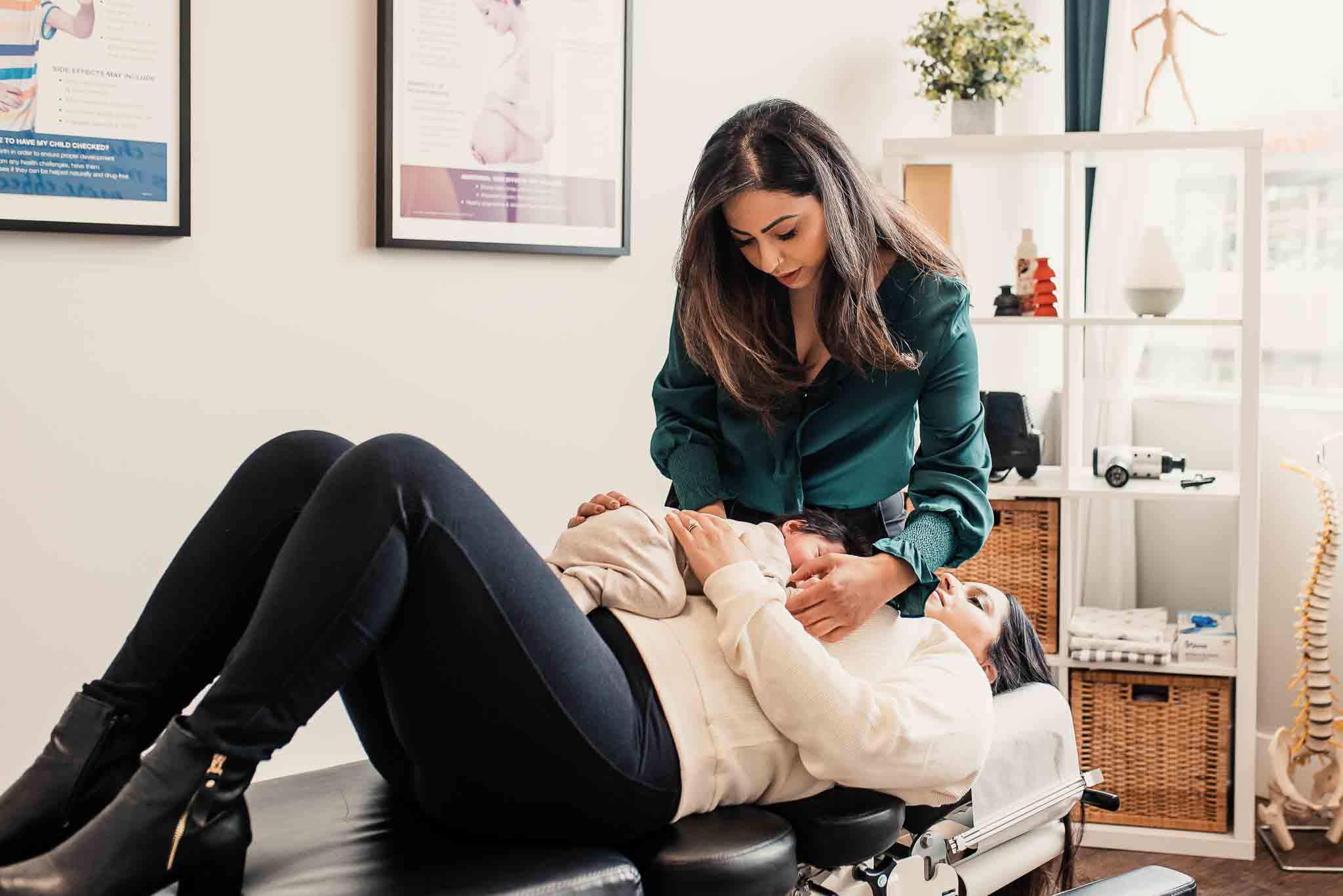
Many people first make a chiropractic appointment for back pain, neck discomfort, headaches, or other musculoskeletal concerns. When someone returns to sport or exercise, a chiropractic assessment may also consider joint mobility, movement, and areas of the body that aren’t moving comfortably.
The body naturally finds ways to complete a task. If movement is limited or uncomfortable in one area, other areas may take on more of the work.
That does not automatically indicate a serious problem. Compensation is a normal part of how the body adapts. However, recurring restriction, discomfort, or changes in movement may warrant further assessment when they begin to interfere with an activity.
Depending on the individual, chiropractic care may form one part of a broader plan alongside physiotherapy, kinesiology, or Clinical Pilates.
Performance Optimization Is Not Just for Athletes
The word performance tends to make people picture competitive athletes, but that definition is far too narrow for how most people actually want to use their bodies.
Performance can mean improving a running time or preparing for hockey season. It can also mean having enough strength for a weekend hike, keeping up with children on a bike ride, playing golf comfortably, skiing through the winter, or returning to a favourite fitness class.
For an active older adult, performance may mean maintaining balance, mobility, strength, and confidence so that age does not unnecessarily determine which activities remain part of life. There does not need to be a competition involved.
Start With the Activity That Matters
One of the most useful questions in a clinical setting is also one of the simplest: what does this person actually want their body to be able to do? That answer provides direction.
A recreational hockey player needs different physical qualities than a runner. Someone preparing for ski season has different demands than a person returning to strength training. An active older adult who wants to continue hiking may have a different set of priorities.
Once the goal is clear, assessment, treatment, and exercise can become much more relevant. Instead of working toward a vague idea of becoming fitter, the focus can be on developing the physical capacity that matters in everyday life.
Recovery Has to Fit Into the Fall Schedule Too
Fall calendars can become crowded quickly. A workout before work may be followed by hockey the next evening, a long hike on Saturday, and several hours of yard work on Sunday while the weather is still good.
Individually, none of those activities may be particularly concerning. Together, they create a total physical demand that the body needs to recover from.
Recovery does not mean avoiding activity. It means giving the body enough time and appropriate variation to adapt to what it has been asked to do.
Sleep, nutrition, lighter activity, training progression, and rest between demanding sessions all play a role. This becomes especially important when several different sports or workouts occur in the same week. A fall training routine should make sense as a whole, rather than in isolation.
Fall Is a Good Time to Build Capacity
September has something motivating about it, and we think that motivation is worth using.
The goal should not be to avoid every sore muscle or protect the body from activity. Bodies are meant to move, and physical capacity can change when you introduce the right demands progressively.
A better goal is to give the body the opportunity to adapt to the activities someone wants to pursue.
That might mean beginning slightly below a previous training level and building from there. It could mean finally addressing a movement that has not felt right for months. Strength may need more attention before ski season, or a recurring knee problem may need assessment before another hockey season gets fully underway.
For someone else, September may simply be the point when being stronger and more active becomes a priority again.
Build a Body That Supports the Life You Want to Live
Performance Optimization at SALAS Collective Care is not about turning everyone into an athlete. It is about helping people build the strength, mobility, movement, and physical capacity they need for the activities that matter to them.
Our South Surrey team brings together physiotherapy, kinesiology, Clinical Pilates, and chiropractic care, allowing practitioners to collaborate when appropriate. With a full onsite gym and Pilates Reformer, care can progress from assessment and treatment to guided movement and increasingly challenging exercise as goals change.
Contact SALAS Collective Care in South Surrey
Fall is a great time to return to the activities that make life enjoyable. The important part is meeting the body where it is now and building from there.
Performance optimization is about being ready for the activities you enjoy and want to keep doing. Whether you are returning to the gym, running, recreational sports or a favourite activity, paying attention to how your body is responding can help you make adjustments before small concerns start getting in the way.
If the fall routine includes returning to the gym, running, hockey, recreational sports, or simply becoming more active, book an appointment online or contact SALAS Collective Care to find the right place to begin.