Why Do I Have Knee Pain During Squats but Not Walking?
by Dr. Kam Mann | |
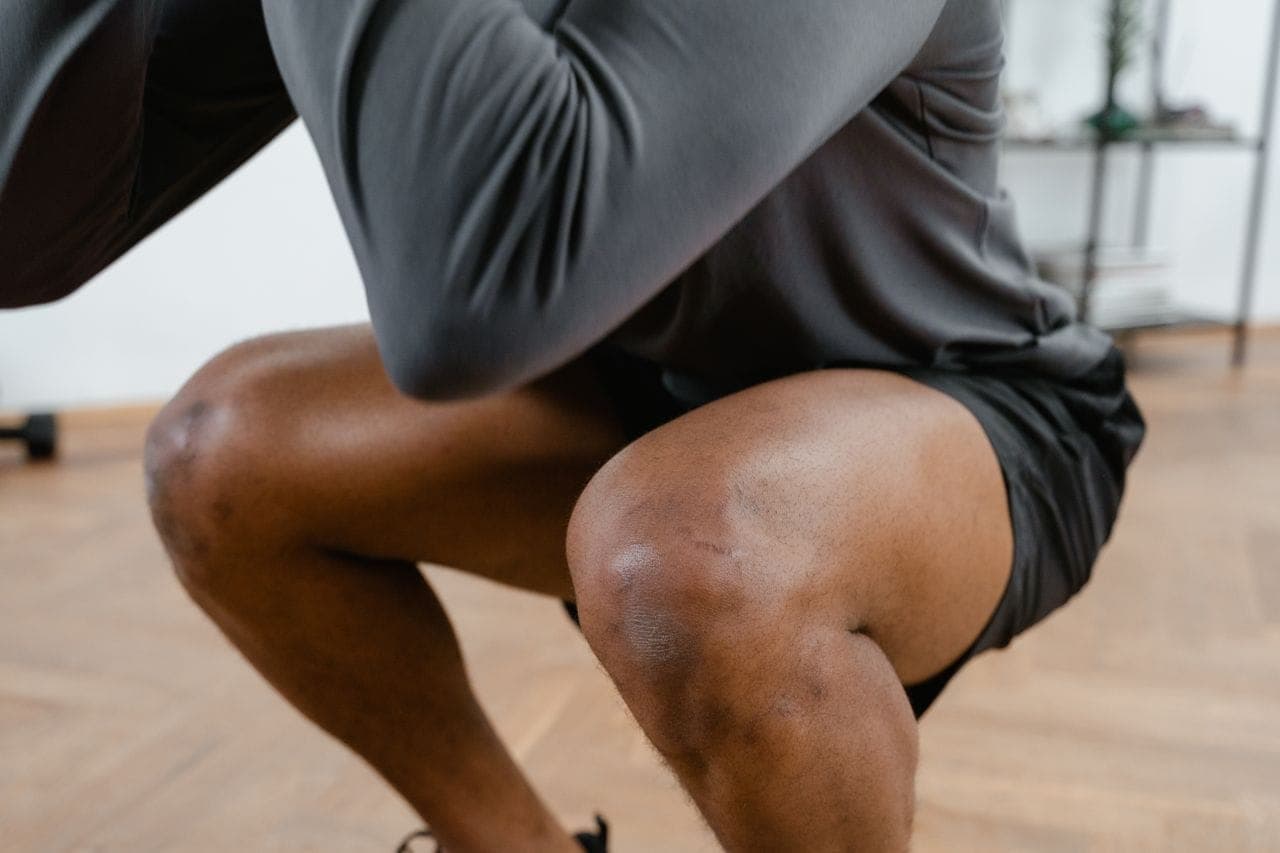
You can walk all day without knee pain, but the moment you start squatting, an uncomfortable ache develops around your kneecap. You lower yourself into a squat, feel the discomfort, and stand back up. Within a few moments, your knee feels normal again. It’s frustrating, especially when the pain seems to appear only during certain movements.
Knee pain during squats is a common concern physiotherapists see in clinic. It can occur during bodyweight exercises, strength training, or everyday activities that involve bending your knees. Understanding why squatting causes discomfort, even when walking feels fine, can help you determine what needs attention.
SALAS Collective Care in South Surrey offers physiotherapy and kinesiology through its Performance Optimization services. Our practitioners work with active adults and athletes who want to address movement-related discomfort, improve their strength, and keep doing the activities they enjoy.
Why Walking Feels Fine but Squatting Hurts
Walking and squatting place different demands on your knees. When you walk, your knees bend through a relatively small range of motion as your weight shifts from one leg to the other. Squatting requires much deeper knee bending, and the muscles surrounding the joint must work harder to control your movement.
Your quadriceps, the muscles at the front of your thighs, play an important role in squatting. They control your descent and help straighten your knees as you return to standing. Meanwhile, your kneecap, or patella, moves along a groove in your thighbone as your knee bends. Pressure in between these structures generally increases as you move into a deeper squat.
Adding weights increases the demands on your muscles and joints. Even without added resistance, a deep squat puts more demand on the knee than walking on a level surface. This explains why you might walk several kilometres without discomfort but experience pain after only a few squats. Your knee may tolerate everyday movement but become uncomfortable with greater resistance or a greater range of motion.
What Might Be Causing Your Knee Pain?
The location of your knee pain can give clues about what is happening, though it doesn’t always identify the exact cause. A physiotherapist will also consider when your symptoms began, whether your training routine has changed, and which movements reproduce the discomfort.
Pain Around the Kneecap
Pain around or behind the kneecap may be associated with patellofemoral pain syndrome. This condition may cause discomfort during activities that involve bending the knee under load, including squatting, climbing stairs, and running. You may experience a dull ache at the front of your knee that becomes more noticeable as you lower yourself into a squat or push back up.
The discomfort may be related to how the kneecap and surrounding tissues respond to increased loading. Squatting increases pressure within the patellofemoral joint, which can aggravate symptoms when the knee is sensitive to that level of force.
During an assessment, a physiotherapist will examine your knee movement, muscle strength, and the activities that reproduce your symptoms. Because pain at the front of the knee can have several causes, identifying the contributing factors is essential before developing a treatment plan.
Patellar Tendon Pain
The patellar tendon connects your kneecap to your shinbone and helps transfer force from your quadriceps when you straighten your knee. Repeated loading may cause tendon-related pain, especially during activities such as jumping and strength training.
People experiencing patellar tendon pain often describe discomfort just below the kneecap. The pain may become more noticeable during squats, especially after you increase training intensity or the number of repetitions.
For example, you might return to heavy leg workouts after taking several weeks off. Although your muscles may feel strong enough to handle your previous weights, your tendon may need more time to adapt to the increased demands. Returning to heavy squats too quickly can contribute to irritation.
Tendon-related pain should be properly assessed because treatment recommendations depend on the condition, symptom severity, and duration of discomfort.
How Squat Technique and Mobility Affect Your Knees
When knee pain develops during squats, it’s natural to wonder whether your technique is responsible. You may have heard that your knees should never move beyond your toes or that everyone should use the same foot position.
However, squat technique varies with body proportions, joint mobility, and exercise type. Someone with longer thigh bones may squat differently from someone with shorter legs, even when both show good movement control.
A physiotherapist evaluates how your body moves and responds to loading rather than comparing your squat to a single prescribed position.
Ankle Mobility and Squat Depth
Your ankles need enough mobility to let your knees move forward as you lower into a squat. When ankle movement is restricted, you may compensate by lifting your heels, leaning further forward, or adjusting your stance.
These changes can affect how the exercise feels and how forces are distributed throughout your lower body. Although limited ankle mobility doesn’t necessarily cause knee pain, it may contribute to pain that appears consistently at a particular squat depth. A physiotherapy assessment can help determine whether ankle mobility affects your squat and whether specific exercises or technique adjustments would help.
Hip Strength and Movement Control
Your hips influence how your knees move during squatting. The muscles around your hips help control your leg position as you lower and return to standing.
When movement control becomes difficult, your knees may shift inward, or you may place more weight on one leg. These movement patterns aren’t necessarily harmful, but they can provide useful information when assessing knee pain. A SALAS physiotherapist may observe how you perform bodyweight squats, single-leg exercises, and other functional movements. Strength testing may also help identify areas that could benefit from additional training.
Could Your Training Routine Be the Problem?
Sometimes your squat technique hasn’t changed, but your training demands have increased.
Perhaps you’ve added more weight to your barbell, added another leg workout each week, or started a program with more squats and lunges. Although your muscles may be adjusting well, your knee joint and surrounding tissues are now under greater demand.
Discomfort that develops toward the end of a set can also provide useful information. You might comfortably complete several repetitions before noticing pain as your muscles fatigue.
When discussing your symptoms with a physiotherapist, explain any recent changes to your training routine. Information about your exercises, workout frequency, and the weights you use can help determine whether training load is contributing to the problem. This may include adjusting training volume or intensity while addressing the factors associated with your knee pain.
Should You Keep Squatting When Your Knee Hurts?
Experiencing mild discomfort doesn’t necessarily mean you must stop all lower-body exercises. However, repeatedly pushing through pain that becomes progressively worse may aggravate the problem.
Pay attention to how your knee responds during and after exercise. If reducing the weight or squat depth makes the movement more comfortable, those changes may help you remain active while your symptoms are assessed. Pain that persists after your workout or worsens the following day warrants closer attention.
Depending on your symptoms, you may be able to continue training with modifications. A physiotherapist can help determine which exercises are appropriate and how to adjust the demands placed on your knee.
Seek prompt medical attention if your knee becomes significantly swollen, locks, gives way, or cannot support your weight. Sudden, severe pain following an injury also requires medical assessment.
How Physiotherapy and Kinesiology Can Help
A physiotherapy assessment at SALAS Collective Care focuses on identifying the movements that reproduce your knee pain and the elements contributing to your symptoms.
Your physiotherapist will review your symptoms, previous injuries, and current activity level. The assessment may include examining knee mobility, evaluating muscle strength, and observing your squat technique. Depending on the findings, your treatment plan may involve therapeutic exercises, activity modifications, or hands-on treatment.
Rehabilitation often focuses on gradually improving your knee’s ability to tolerate the movements you want to perform. You might begin with a comfortable squat depth before progressing to deeper movements or heavier resistance as your strength improves.
Kinesiology can complement physiotherapy through guided exercise and progressive strength training. A kinesiologist can help you improve movement control, refine exercise technique, and gradually increase training demands based on your current abilities.
For people who enjoy strength training, the goal is to make appropriate adjustments without giving up activities they enjoy. Progressing toward heavier squats should reflect your recovery, strength, and response to exercise.
Contact SALAS Collective Care in South Surrey for Support
If your knee hurts during squats but feels fine when walking, differences in movement and loading demands may explain your symptoms. Determining the underlying cause requires an assessment of your knee, movement patterns, and recent activity history.
SALAS Collective Care offers physiotherapy and kinesiology through its Performance Optimization services in South Surrey. Our practitioners can assess your concerns, recommend appropriate exercises, and help you work toward your strength and mobility goals.
If knee discomfort is interfering with your workouts, contact SALAS Collective Care to book an appointment and learn more about your treatment options. You can book appointments online or by calling the clinic.