
Your Body Keeps the Score: What Chronic Tension Is Telling You
by Dr. Navi Jagpal | |
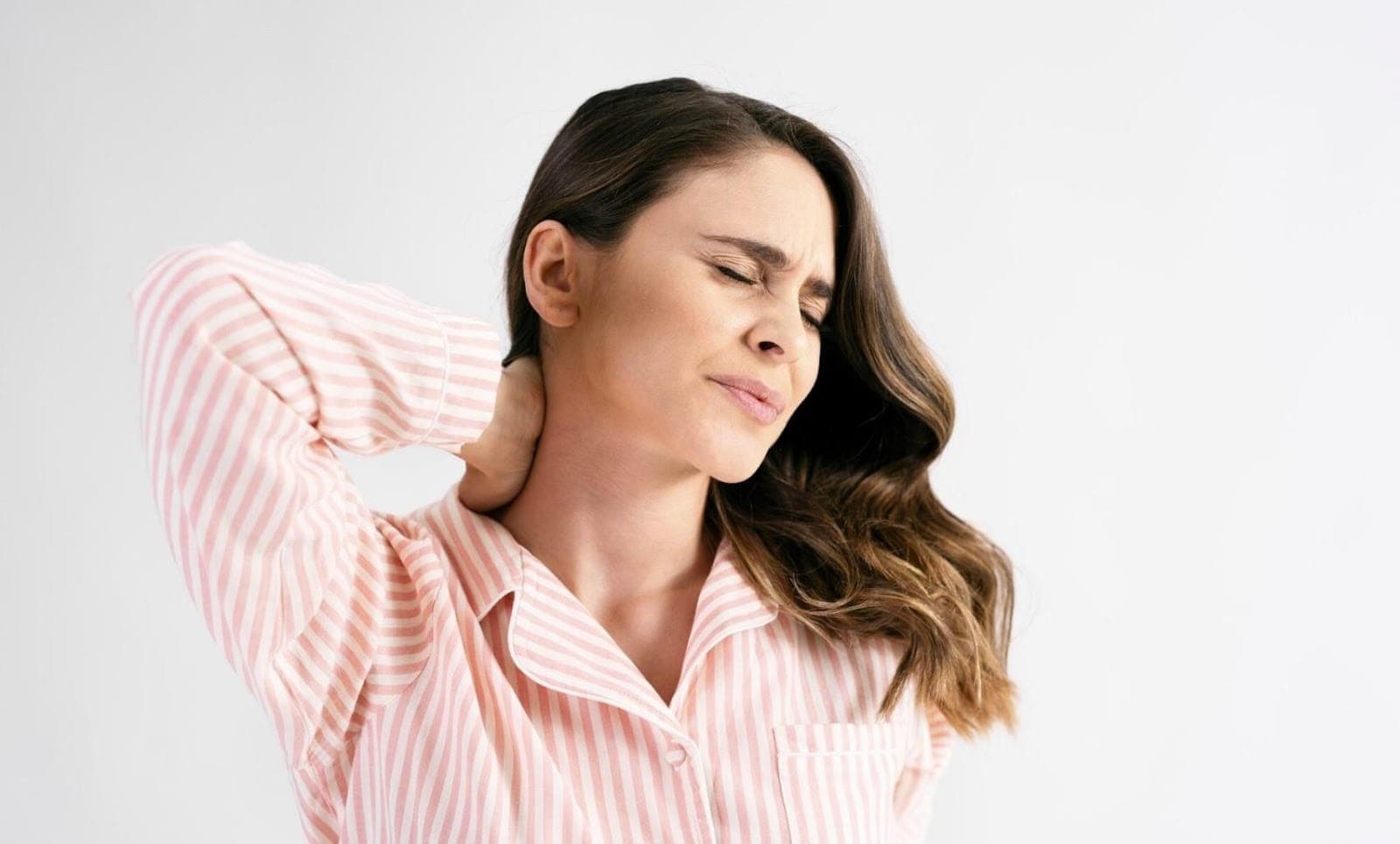
You know the feeling. Your shoulders seem to live somewhere near your ears. Your jaw is clenched before the alarm even goes off. A headache arrives every Thursday like an appointment nobody made, or your neck suddenly refuses to turn properly to the right.
None of it feels particularly dramatic. It just feels like life. Work, family, school runs, responsibilities, and everything else packed into a typical week can make discomfort seem like part of being a busy adult.
So, instead of addressing what may be contributing to the problem, you find ways to manage it. You roll your shoulders, take something for the headache. You notice the clenched jaw, consciously relax it, and then forget about it until it happens again.
The registered massage therapists and counsellors at SALAS Collective Care in South Surrey often hears this story. The body does not speak in headlines. It speaks in patterns. When chronic tension keeps returning despite hot baths and early nights, your body is not being difficult. It may be trying to communicate something that still needs your attention.
What Is Chronic Muscle Tension?
Tension is the body’s first-line response to threat. When the nervous system perceives something as dangerous, whether that is a physical threat, a work deadline, a difficult relationship, or a to-do list that never empties, it prepares the body to respond. Muscles contract. Breath shortens. The jaw tightens. The shoulders rise.
This is the stress response working exactly as designed. The problem is not the response itself. The problem is what happens when it never fully switches off.
In a world where stress is not a single event but a constant low-level condition, the nervous system can become stuck in a state of readiness. The muscles that contracted in preparation for a threat that never materialized remain contracted. Not because something is physically wrong with the muscle, but because the nervous system has not received the signal that it is safe to let go.
This is what most people experience as chronic tension. Not an injury. Not a structural problem. A nervous system that has been running at high alert for so long that readiness has become the new normal.
Why Treating the Tissue with RMT Is Only Part of the Answer
This is the question that brings many patients to book a registered massage therapy appointment at SALAS in South Surrey, often after months or years of managing symptoms on their own. The tension releases during the massage. It feels genuinely better for a day, maybe two, sometimes for a week. Then it comes back.
When tension is purely muscular, skilled release work addresses the pattern, and it does not return with the same consistency. When tension reflects an unresolved emotional or psychological state, the nervous system may continue sending signals that keep the muscles tense, even after treatment provides temporary relief.
This does not mean the massage is not working. It means it is addressing part of the picture. The tissue is one layer. The signal that creates the tension in the first place comes from somewhere else, and that layer needs its own form of care.
Where Does the Body Carry Stress?
The body does not distribute tension randomly. The places where it accumulates have meaning. Understanding that meaning is one of the most valuable things a skilled RMT and a registered clinical counselor at SALAS Collective Care can offer together.
Neck and Shoulder Tension: The Most Common Pattern
Registered massage therapists at SALAS Collective Care frequently see tension and overuse in the upper trapezius, the thick band of muscle that runs from the base of the skull across the top of the shoulder. It activates when the shoulders rise, which happens every time the nervous system perceives stress.
In people carrying sustained anxiety, responsibility, or unprocessed worry, this muscle almost never fully releases. Headaches arising from trapezius tension are among the most common presentations in RMT clinics. They develop because sustained contraction reduces blood flow, compresses nerves, and refers pain upward into the skull and behind the eyes.
Jaw Clenching, Headaches and Stress
Jaw tension is the body’s most literal expression of holding something in. The masseter, the primary jaw-closing muscle, is one of the strongest muscles in the body relative to its size. In people who clench or grind at night, this is rarely a dental problem. It is a nervous system problem that manifests in the jaw.
Many people are unaware that they clench during the day until it is pointed out. The moment of awareness, the jaw releasing as the breath drops, is often the first sign that the nervous system has been running at a level the conscious mind had stopped registering.
Lower Back, Hips and the Stress Connection
The psoas, a deep hip flexor connecting the spine to the femur, contracts in the fetal position, the body’s most primitive protective response. It is directly connected to the diaphragm and the nervous system. Chronic low back pain that does not respond to physical treatment alone often has a significant component of sustained psoas tension.
The muscle is holding a posture of self-protection that the nervous system has not yet released. Addressing this effectively requires both skilled bodywork and an understanding of what is driving the pattern beneath the surface.
Breath, Chest and Chronic Tension
Shallow breathing is both a cause and a consequence of chronic tension. When the nervous system is activated, breath moves into the upper chest. Over time, this becomes the default breathing pattern. The diaphragm, designed to be the primary breathing muscle, becomes underactive, and the accessory muscles of the neck and upper chest compensate, becoming chronically overloaded.
People who feel like they cannot take a full breath, or who notice they hold their breath without realizing it, are often experiencing the physical consequence of a nervous system that has forgotten how to feel safe enough to breathe fully.
What Registered Massage Therapy Does for Tension
Registered massage therapy is one of the most evidence-supported interventions available for nervous system regulation. Touch, applied with skill and intention, activates the parasympathetic nervous system, the branch responsible for rest, recovery, and repair.
It reduces cortisol, the primary stress hormone, and increases serotonin and dopamine, the neurotransmitters associated with mood regulation and a sense of safety. It lowers heart rate and blood pressure. For someone living in a body that has been in low-level threat response for months or years, a skilled RMT session is often the first time the nervous system has genuinely downregulated in a very long time.
How a Skilled RMT Reads the Body
A skilled registered massage therapist does not simply apply pressure to tight muscles. They read the body’s responses during every session. They notice where the tissue holds, where it braces against contact, where it lets go, and where it does not.
This is clinical work. It requires the same level of assessment, adaptation, and clinical reasoning that any health discipline demands. The RMT practitioners at SALAS Collective Care in South Surrey bring that clinical lens to every session, changing what becomes possible in the treatment room.
RMT and Counselling: Treating Body and Mind Together
This is where most RMT content stops. The massage helps; the tension releases, book again in a few weeks. For many patients, that is genuinely sufficient. Regular massage therapy as maintenance care is valuable, evidence-supported, and appropriate for a wide range of presentations.
But for the person whose tension keeps returning. Whose shoulders are back near the ears within days of a session. Whose jaw is clenched again before the week is out. For that person, the question worth asking is not how to release the tension more effectively. It is what is generating it.
This is where collaboration between the RMT and counsellor at SALAS Collective Care can make a difference. Not everyone with tight shoulders needs therapy, but some people may benefit from additional support. Having both practitioners in the same South Surrey clinic allows them to communicate and consider the bigger picture together.
Benefits of Adding Counselling to the Treatment Plan
A Registered Clinical Counsellor working alongside an RMT is not providing a parallel service. They are addressing the signal that the RMT is responding to. The chronic stress, the unprocessed grief, the anxiety that has become structural, the relational tension that lives in the body because it has nowhere else to go.
When counselling work begins to shift the nervous system’s baseline, the RMT work lasts longer. The muscles receive a different signal. The body starts to understand that it is safe to let go, not just during a session but between them.
This integration is not standard across South Surrey and White Rock clinics. Most offer one or the other. SALAS Collective Care offers both, with practitioners who communicate about each patient’s care. The result is a different kind of recovery. One that addresses the pattern, not just the symptom.
Breaking the Tension Pattern for Good
For many patients, the starting point is simply recognizing what may be contributing to the tension. Tight shoulders are not always just about the muscles themselves. Stress, worry, demanding schedules, difficult conversations, and the ongoing effort of holding everything together can all influence how the body feels.
That recognition can be an important first step. Hands-on treatment can help reduce muscle tension and support relaxation, while counselling provides space to explore the stress or emotional experiences that may be contributing to the pattern. When appropriate, addressing both the physical symptoms and the factors behind them can help patients develop a more complete understanding of what their body needs.
Tension that has been building for years does not dissolve in three sessions. But it does respond to the right combination of care. And for many people in South Surrey who have been managing chronic tension so long it has started to feel normal, discovering that something can genuinely shift is the thing that changes everything.
Multi-Disciplinary Clinic in South Surrey
SALAS Collective Care brings together physiotherapy, chiropractic, registered massage therapy, acupuncture, kinesiology, clinical Pilates, and counselling under one roof in South Surrey.
For patients dealing with chronic tension that has not responded fully to physical treatment alone, the combination of RMT and counselling within one collaborative team is often the missing piece.
The clinic is located on the first floor of the professional buildings at Semiahmoo Mall, steps from Shoppers Drug Mart and LifeLabs, with free parking and easy ground-floor access. The space is calm, clean, and designed for people who need a place to genuinely recover.
Patients at SALAS tell their story once. The team carries it forward together.
Contact SALAS Collective Care
Ready to hear what your body has been trying to say?
Book an appointment online or call the clinic directly. No referral is needed. Direct billing is available through most extended health plans.
Frequently Asked Questions Chronic Tension
Can RMT Help With Stress and Anxiety?
Registered massage therapy as an effective intervention for reducing cortisol, activating the parasympathetic nervous system, and improving mood. For the physical dimension of stress and anxiety, including chronic muscle tension, it is one of the most evidence-based tools available. SALAS Collective Care offers RMT alongside counselling for patients whose presentation has both physical and emotional dimensions.
Why Does Chronic Tension Keep Coming Back After Massage?
Tension that returns quickly after a massage often means the nervous system continues to send a contraction signal to the muscle.
Massage Therapy can address the physical response in the tissue, but the underlying driver. Whether stress, anxiety, or sustained nervous system activation, continues to generate the pattern. A combination of RMT and counselling addresses both layers simultaneously. Book an appointment at SALAS Collective Care in South Surrey online or by calling the clinic.
What Is the Connection Between the Jaw and Stress?
The jaw is one of the most common sites of stress-related tension in the body. The masseter muscle activates during the stress response and often remains contracted in people carrying sustained anxiety or emotional load. This leads to headaches, neck pain, and dental wear. RMT addresses the muscular component while counselling explores the underlying drivers.
Do I Need a Referral to See an RMT at SALAS Collective Care?
No referral is needed. Appointments can be booked online or by calling the clinic directly. Some extended health plans may require a referral for reimbursement purposes, so it is worth confirming with the insurance provider. Direct billing is available for most plans.
How Is RMT at SALAS Different From a Spa Massage?
Registered massage therapists in BC complete extensive clinical education and training before becoming licensed healthcare professionals. An RMT session at SALAS Collective Care begins with a clinical assessment that considers your health history, current concerns, treatment goals, and the RMT’s findings.
Rather than focusing primarily on relaxation, registered massage therapy addresses specific areas of pain, tension, injury, mobility, and physical function. Your RMT develops treatment around your individual needs and may adjust the approach as your body responds and your goals change.
Registered massage therapy is also commonly covered by extended health benefit plans, depending on your individual coverage.
Can Massage Therapy and Counselling Work Together?
Yes, the SALAS Collective team, supports this combination for people dealing with chronic tension, stress-related physical symptoms, and anxiety with a physical component. SALAS Collective Care is one of the few clinics in South Surrey where RMT and counselling practitioners work within the same team and coordinate care for patients whose presentations involve both physical and emotional dimensions.