
You’ve Been Injured. Here’s Where to Start.
by Dr. Kam Mann | |
The moment after an injury is one of the most disorienting experiences a person can go through. Whether it happened in a split second, a car accident, a fall, a wrong move at work, or whether it’s been building slowly over months of persistent pain, the question that follows is always the same:
What do I do now?
Your First Steps to Recovery After an Injury with SALAS Collective Care
If you’re asking that question right now, this blog from SALAS Collective Care is for you. Consider it a starting point, a clear, honest overview of what injury recovery looks like, what support is available to you, and how a collaborative care team can help you move from pain toward progress.
First: Understand That Waiting Usually Makes It Worse
One of the most common things we hear from new patients is some version of: ‘I thought it would just get better on its own.’
Sometimes it does. Often, it doesn’t.
When the body is injured, it begins compensating immediately. You shift your weight, change your gait, and tighten the muscles around the painful area to protect it. These compensations are smart in the short term, but over time, they create new problems. Such as muscle imbalances, altered movement patterns, and secondary pain in areas that weren’t originally injured.
Early, appropriate care interrupts that cycle. It doesn’t just treat the injury. It protects the rest of your body from paying the price.
What Kind of Injury Brought You Here?
Injury recovery isn’t one-size-fits-all. The right starting point depends on what happened, and understanding the broad categories can help you find your footing faster.
Motor Vehicle Accidents and ICBC Claims
If you’ve been in a car accident in British Columbia, you are entitled to treatment coverage through ICBC regardless of fault. This includes physiotherapy, chiropractic care, massage therapy, acupuncture, kinesiology, and counselling.
Accessing treatment through ICBC is straightforward. A doctor’s referral is not required, and approved treatments can begin without upfront payment. After reporting the accident and obtaining your claim number, you can book directly with a treatment provider. Our team manages the billing and documentation on your behalf so you can focus on recovery.
During the first 12 weeks of your recovery, ICBC offers pre-approved treatments so you can get started right away.
- Common injuries the team at SALAS Collective Care treats after motor vehicle accidents include:
- Emotional challenges such as anxiety, sleep disruption, and psychological trauma
- Whiplash and soft tissue injuries affecting the neck
- Strains and sprains involving the lower back and mid-back
- Shoulder pain resulting from impact or bracing during a collision
- Concussion-related symptoms, including headaches and dizziness
Workplace Injuries and WCB Claims
If your injury happened on the job, WorkSafeBC (WCB) provides coverage for treatment and rehabilitation. Like ICBC, WCB is designed to reduce the financial burden of getting well after a workplace incident, but navigating the system while you’re in pain can feel overwhelming.
SALAS Collective Care regularly supports patients navigating WCB claims. Working within the WorkSafeBC framework, our practitioners coordinate documentation on your behalf and create a recovery plan focused on a safe and sustainable return to work.
Workplace injuries we commonly treat include:
- Pain and dysfunction associated with poor posture or workstation ergonomics
- Repetitive strain conditions caused by ongoing physical demands
- Back, shoulder, and knee injuries related to lifting or loading tasks
- Falls resulting from slips, trips, and workplace hazards
Chronic Injury and Long-Standing Pain
Not every injury has a clear origin story. Some pain from an injury builds gradually. While some injuries were never properly treated, they became a constant presence in the background. Some people have seen multiple practitioners, tried multiple things, and are still struggling.
Chronic pain is real; it is not ‘just in your head,’ and it deserves a thorough, collaborative approach. This is where a multidisciplinary team becomes especially valuable because persistent pain rarely has a single cause or a single solution.
If you’ve been managing pain for months or years without significant improvement, it may be time to try something different.
What Does Injury Recovery Actually Involve?
Recovery is not a straight line. It moves through phases, and the right care at each phase looks different. Here’s a general picture of what a well-structured injury recovery process includes:
Assessment and diagnosis
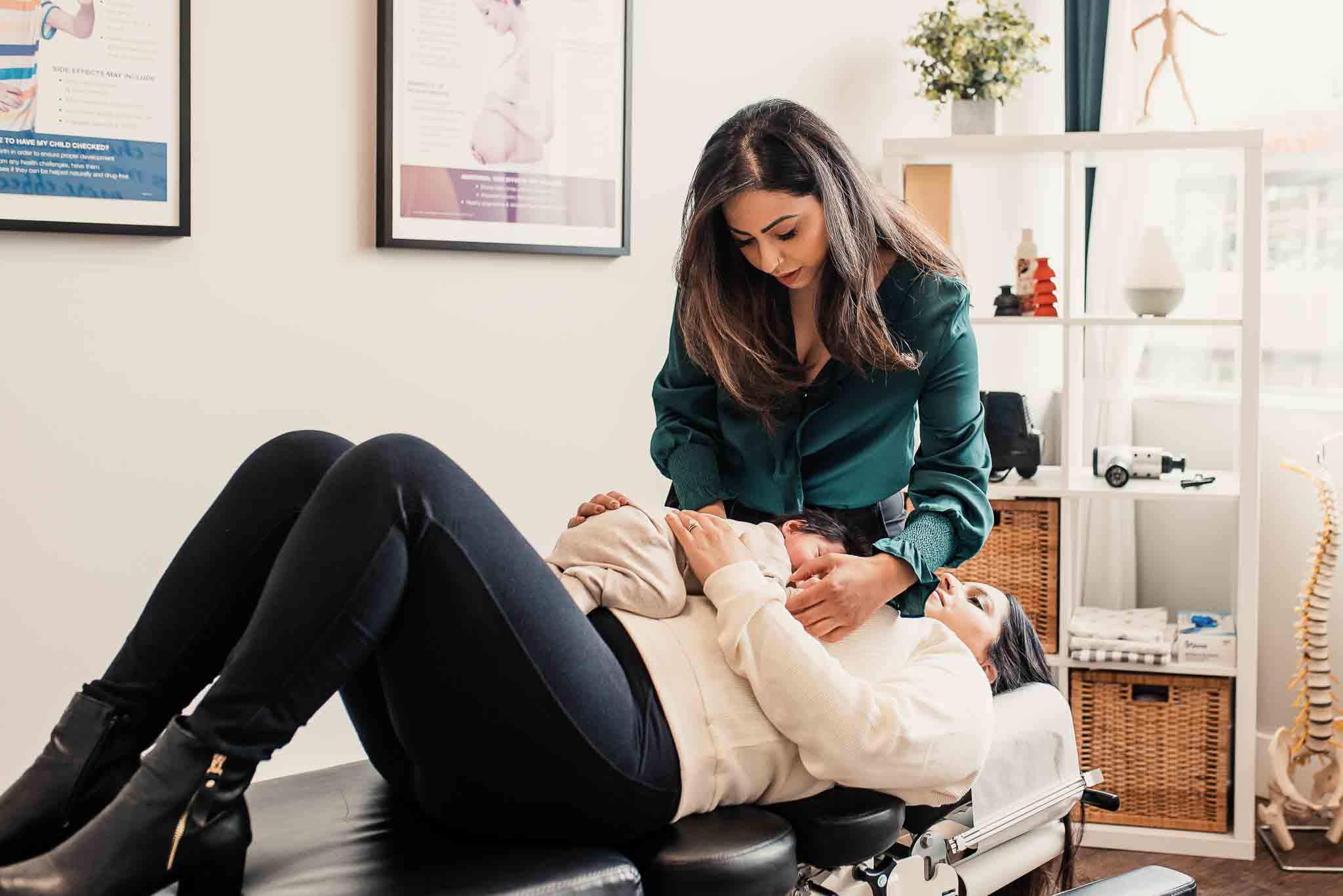
Before anything else, we need to understand what’s actually happening. Your first appointment will involve a thorough assessment of your injury, movement, history, and goals. This is where we identify not just the site of pain, but its root cause.
Pain management and tissue healing
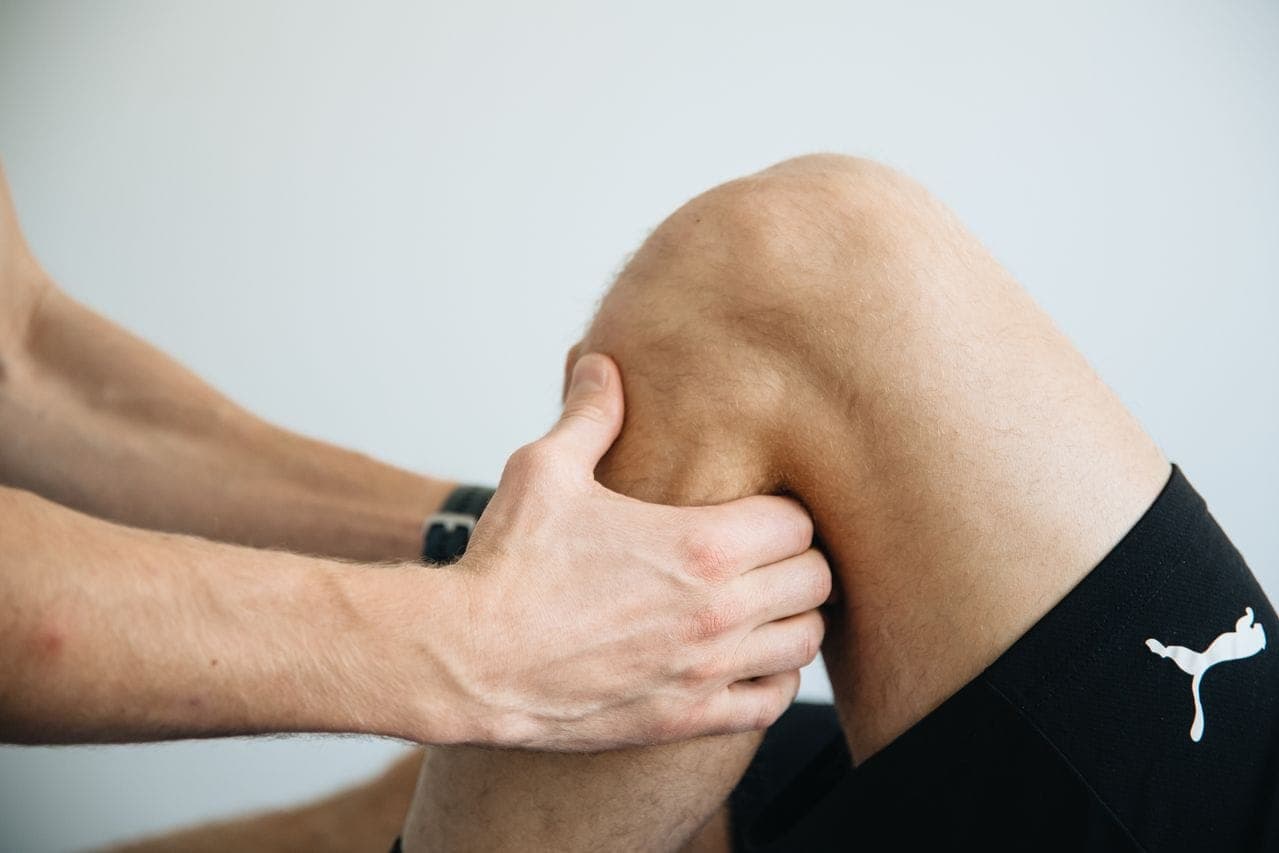
In the early stages, the priority is to reduce inflammation, manage pain, and support the body’s natural healing process. This might include chiropractic adjustments, manual physiotherapy, registered massage therapy, and acupuncture, often in combination.
Restoring movement and mobility
As pain settles, the focus shifts to getting you moving again. Range of motion, joint mobility, and basic movement patterns are restored through guided physiotherapy and hands-on care.
Rebuilding strength and stability
This is where kinesiology often becomes central to your care. Building strength around the injured area and throughout the body helps prevent reinjury and supports lasting recovery.
Return to full function
The final phase is about getting back to the life you want. Whether that means returning to work, resuming sport, or simply moving through your day without pain, this phase is tailored to your specific goals.
Why the SALAS Collective Team Gets Better Results
Recovering from an injury with a single practitioner is like building a house with only one tool. You can make progress, but there are limits to what’s possible.
A collaborative collective team of practitioners working from a shared understanding of your case brings more perspective to your recovery, catches things a single provider might miss, and adapts your care as you progress through each phase.
Here’s how our team works together for injury recovery patients:
- Your physiotherapist and chiropractor coordinate on structural recovery and movement rehabilitation
- Your registered massage therapist supports soft tissue healing and reduces compensatory tension
- Your kinesiologist builds your strength progressively and safely as your body heals
- Your acupuncturist supports pain management and nervous system regulation throughout recovery
- Your counsellor addresses the emotional weight of injury, frustration, anxiety, and grief over lost function, which, left unaddressed, can slow physical recovery
- You don’t need to coordinate all of this yourself. That’s our job.
What to Do Right Now
If you’re in the early days after an injury, here’s the most important thing you can do: get assessed. Not next month. Not when the pain gets bad enough. Now.
The sooner we understand what’s happening in your body, the sooner we can build a recovery plan around it and the better your long-term outcomes tend to be.
A few practical steps to take today:
Injured in a car accident: report it to ICBC and call us. We handle the rest
Injured at work: report it to your employer and open a WCB claim before booking your first appointment
Dealing with chronic pain: come in for an assessment and let’s build a plan together
Restore Strength. Rebuild Confidence. Move Forward.
Recovery after injury takes time. But it doesn’t have to be confusing, isolating, or uncertain. With the right team around you, it can be a clear, supported process that not only gets you back to where you were but helps you understand your body better along the way.
Contact SALAS Collective Care in South Surrey
Our clinic is located at 1656 Martin Drive, Suite 102, in South Surrey, just minutes from White Rock. We welcome ICBC patients, WCB patients, and anyone dealing with pain that has gone on long enough.
You don’t have to figure this out alone. SALAS Collective Care is here to help you take the first step.