

Inflammation The Good and Bad
by Dr. Navi Jagpal | |

Inflammation the good and bad, is a topic many people are curious about when thinking about their overall health and wellness. When inflammation occurs, the natural immune response helps protect the body against injury or infectionand plays an important role in the healing process. It involves a complex interaction of cells and molecules working together to repair and defend the body.
While this response is essential for recovery, problems can arise when it persists for long periods of time. Chronic inflammatory responses have been linked to several common health concerns, yet many people are not fully aware of how they develop or how they affect the body.
In this blog, SALAS Collective Care explores the different types of inflammatory responses, when they support healing, when they may become harmful, and simple ways to help reduce chronic inflammation naturally.

What is Inflammation?
Inflammation can be good and bad. An Inflammatory response serves as a necessary biological response essential for survival.
The immune system identifies harmful stimuli such as pathogens, damaged tissues, or irritants, and initiates inflammation as a defense mechanism to attack these foreign invaders or repair damage, promoting healing in our bodies.
However, the problem arises when it persists chronically due to an unhealthy diet and lifestyle. The immune system can become dysfunctional, leading to excessive inflammation or triggering an inflammatory response when it’s unnecessary.
When a person has an overactive immune system, it may lose its ability to differentiate between foreign invaders and its tissues and organs, which can result in autoimmune diseases.
Therefore, maintaining a healthy lifestyle is imperative to prevent chronic inflammation and its subsequent health hazards.
What is Acute Inflammation
The acute inflammatory response is a normal function of our body and occurs when it needs to heal itself immediately. Examples include swelling of your ankle when you twist it or fever when you’re sick.
Once the body has completed its anti-inflammatory job, the symptoms of inflammation disappear. On the other hand, chronic symptoms don’t happen right away. These symptoms can take days, weeks, months, or even years.
What is Chronic Inflammation
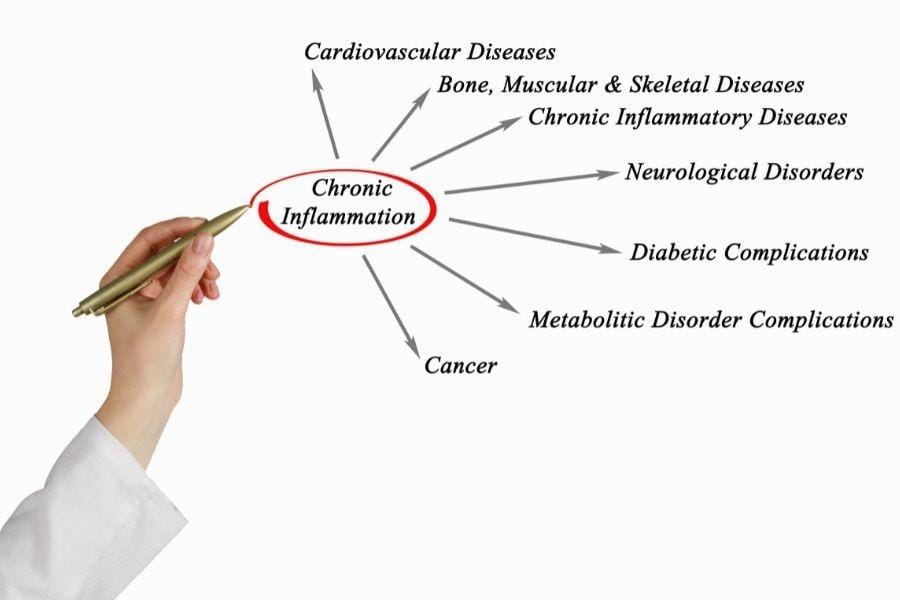
A chronic inflammatory response can cause severe damage and diseases like heart disease, diabetes, cancer, and Alzheimer’s. For instance, chronic inflammation can result from or significantly exacerbate heart disease.
When the thin layer of cells lining blood vessel walls called the endothelium gets damaged by anything harmful entering the bloodstream, the immune system dispatches white blood cells, which multiply, and this is how inflammation is supposed to function.
But when these inflammatory cells stay within the blood vessel walls for too long over time, they cause the buildup of dangerous plaques. And when these plaques explode inside an artery, a heart attack or stroke may occur. Understanding Acute and Chronic Inflammation.
Triggers of Long-Term Inflammation in the Body
The body may trigger an inflammatory response for a number of reasons, such as:
Poor diet:
Eating a diet high in added sugars, refined carbohydrates, processed or fried foods, and unhealthy fats can lead to chronic inflammation.
Lifestyle factors:
Drinking alcohol in excess (more than one or two servings a day) or smoking cigarettes can contribute to chronic inflammation.
Obesity:
Fat tissues release inflammatory substances that can lead to chronic inflammation.
Toxins:
Exposure to environmental toxins, such as air pollution or pesticides, can trigger chronic inflammation.
Allergens:
Chronic exposure to allergens, such as pollen or dust mites, can cause chronic inflammation in susceptible individuals.
Chronic stress:
Prolonged periods of stress can lead to chronic inflammation by triggering the release of stress hormones that cause inflammation.
Common Signs Your Body Is Out of Balance and Under Ongoing Stress
The following are common symptoms associated with chronic inflammation:
- Digestive problems
- Fatigue or low energy levels
- Joint pain and stiffness
- Skin conditions such as eczema
- Autoimmune diseases, including rheumatoid arthritis, thyroid disorders, and celiac disease
- Elevated blood sugar levels
- High cholesterol levels
- Allergies and allergic reactions
Supporting Your Body’s Natural Healing Response
There are several ways to support your body’s natural healing response including:
Lifestyle Habits That Support Healing
Regular exercise:
Moderate exercise can improve immune function and decrease inflammation. Activities like walking, running, yoga, weight-training, swimming or spinning, ideally for 30-60 minutes per day, with 1-2 rest days per week.
Getting enough sleep:
Aiming for 7-8 hours of restful sleep each night helps promote cellular repair and recovery.
Reducing stress:
Practice stress-reducing activities like meditation, deep breathing, yoga, or tai chi.
Maintaining a healthy weight:
Keeping a healthy weight through regular exercise and a balanced diet is important because it can prevent inflammation, which is known to be associated with being overweight or obese.
Simple Ways to Help the Body Restore Balance
Avoiding toxins and pollutants:
Limit exposure to environmental toxins and impurities by using natural cleaning products and avoiding smoking or secondhand smoke.
Incorporating anti-inflammatory supplements:
Supplements like omega-3 fatty acids, curcumin, ginger, and probiotics may help reduce inflammation. Consult with a healthcare provider before adding supplements to your routine.
Managing underlying health conditions:
Chronic inflammation can be a symptom of underlying health conditions like autoimmune diseases, so working with a healthcare provider to address any underlying conditions is essential.
Eating an anti-inflammatory diet:
Including whole, plant-based nutrient-rich foods in your diet, such as vegetables, fruits, whole grains, and healthy fats (omega-3 fatty acids). Limiting or avoiding processed and sugary foods, unhealthy fats, and alcohol.
Acupuncture:
Acupuncturists can also help reduce inflammation by stimulating the body’s natural healing mechanisms. By inserting thin needles into specific points on the body, acupuncture can help improve blood flow and reduce inflammation.
Massage therapy:
Massage therapists offer another powerful tool for reducing inflammation. Massage can help increase circulation and lymphatic flow, which can help remove waste products and reduce inflammation in the body.
SALAS Collective Care believes in taking a holistic approach to health and wellness. If you are concerned about inflammation in your body, we are here to help.
We can work with you to develop a personalized plan that addresses your unique needs and helps you feel your best.
As always, if you have any questions or concerns, please don’t hesitate to reach out to our team. We are here to support you on your health journey.